
Yoga Sutras of Patanjali / पतंजलि योगसूत्र
Classical Raja Yoga Text — Tier B1 | MPYPCP Central Knowledge Base
Maharshi Patanjali Yog Evm Prakritik Chikitsa Parishad (operational since 2007)
English
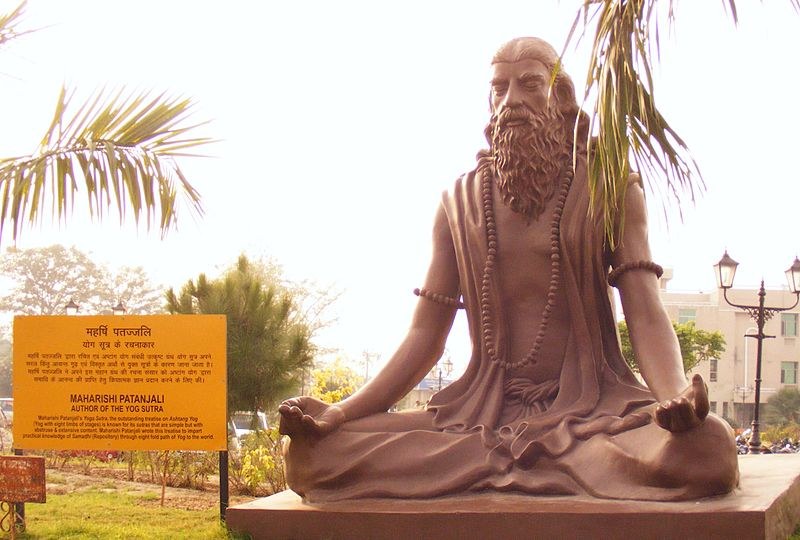
The Yoga Sutras of Patanjali (~196 aphorisms, 4 padas) define classical Raja Yoga. Core for YCB Theory, DYeD/DYTT philosophy units, and MPYPCP syllabus. Foundation sutras: I.2, II.29 (Ashtanga), II.46 (Asana).
हिंदी
पतंजलि योगसूत्र (~196 सूत्र, 4 पाद) राजयोग का मूल ग्रंथ। YCB Theory, DYeD/DYTT दर्शन, MPYPCP पाठ्यक्रम का आधार। मुख्य: I.2, II.29 (अष्टांग), II.46 (आसन)।
इस अध्याय में / In this chapter
English
- Memorise I.2 yoga definition for YCB Theory
- List eight limbs (II.29) and five yamas/niyamas
- Understand four padas at survey level
हिंदी
- I.2 योग परिभाषा याद
- अष्टांग व पाँच यम-नियम
- चार पाद का सर्वेक्षण
EN: Two thousand years ago, Patanjali distilled yoga into aphorisms precise as mathematics. I.2 is the north star — every practice question returns to chitta-vritti-nirodha.
HI: पतंजलि ने योग को सूत्रों में संक्षिप्त किया। I.2 हर अभ्यास प्रश्न का केंद्र है — चित्तवृत्तिनिरोध।
Adhyayan / Framework — अध्ययन एवं संरचना
Four Padas & Ashtanga
| Pada | EN | हिंदी |
|---|---|---|
| Samadhi | Samadhi, mind-states | समाधि, चित्त |
| Sadhana | Kriya Yoga, Ashtanga | साधन, अष्टांग |
| Vibhuti | Siddhis (study with caution) | सिद्धियाँ (सावधानी) |
| Kaivalya | Liberation | कैवल्य |
Ashtanga (II.29): EN — Yama, Niyama, Asana, Pranayama, Pratyahara, Dharana, Dhyana, Samadhi. HI — यम, नियम, आसन, प्राणायाम, प्रत्याहार, धारणा, ध्यान, समाधि।
Five Yamas (II.30): Ahimsa, Satya, Asteya, Brahmacharya, Aparigraha. Five Niyamas (II.32): Shaucha, Santosha, Tapas, Svadhyaya, Ishvara-pranidhana.
Key sutras — expanded
I.2: Yogash chitta-vritti-nirodhah — Yoga is stilling the fluctuations of the mind. HI — योगश्चित्तवृत्तिनिरोधः।
II.46: Sthira-sukham asanam — Posture steady and comfortable. HI — स्थिरसुखमासनम्।
II.29: Eight limbs in order — ethical foundation (yama-niyama) before asana. HI — नैतिक आधार पहले।
Labh / Application — लाभ एवं अभ्यास में उपयोग
English
- YCB Theory revision — definitions, eight limbs, yama-niyama lists.
- Practice framework — YS II.46 sthira-sukham guides asana teaching.
- Ethical foundation — yamas/niyamas inform teacher conduct.
हिंदी
- YCB Theory — परिभाषा, अष्टांग, यम-नियम।
- अभ्यास — II.46 स्थिरसुखमासनम्।
- नीतिक आधार — यम-नियम शिक्षक आचरण।
Savdhani / Study Cautions — सावधानी
| Issue | English | हिंदी |
|---|---|---|
| Siddhi chapter misuse | Vibhuti pada is not a powers manual | विभूति पाद सिद्धि मैनुअल नहीं |
| Self-diagnosis via philosophy | Sutras do not replace clinical care | सूत्र चिकित्सा नहीं |
| Literal translation only | Study with qualified teacher/commentary | गुरु/टीका से पढ़ें |
| Skipping yama-niyama | Ethics before advanced asana | यम-नियम पहले |
YCB Exam Quick Points
| Yoga definition | I.2 — chitta vritti nirodha |
| Eight limbs | II.29 |
| Asana principle | II.46 sthira-sukham |
| 5 Yamas | II.30 |
| 5 Niyamas | II.32 |
Saankshep / Chapter Summary — संक्षेप
English
- I.2 = yoga definition; II.29 = Ashtanga; II.46 = sthira-sukham
- Four padas: Samadhi, Sadhana, Vibhuti, Kaivalya
- Study with commentary — not literal word alone
हिंदी
- I.2, II.29, II.46 मुख्य
- चार पाद
- टीका सहित अध्ययन
References
- Patanjali Yoga Sutras (Swami Vivekananda / Swami Hariharananda trans.)
- YCB Theory Syllabus
- MDNIY — Yoga Philosophy
- Swami Satyananda — Four Chapters on Freedom
Last updated: June 2026 | MPYPCP Central Knowledge Base — Tier B1