
Anatomy & Physiology for Yoga / योग के लिए शरीर रचना
Safe Practice Foundations — Tier B5 | MPYPCP Central Knowledge Base
Maharshi Patanjali Yog Evm Prakritik Chikitsa Parishad (operational since 2007)
English
Applied anatomy for yoga teachers — skeletal, muscular, respiratory, and nervous systems relevant to asana and pranayama. Based on Gore — Anatomy and Physiology of Yogic Practices, MDNIY monographs, and YCB safety modules. Supports informed teaching; not medical diagnosis.
हिंदी
योग शिक्षकों के लिए व्यावहारिक शारीर रचना — अस्थि, मांसपेशी, श्वसन, तंत्रिका तंत्र। Gore, MDNIY, YCB सुरक्षा मॉड्यूल। सूचित शिक्षण; नैदानिक नहीं।
इस अध्याय में / In this chapter
English
- Safe practice — spine, knee, shoulder red flags
- MDNIY/Gore references for YCB alignment
- Referral literacy — when to send to physician
हिंदी
- सुरक्षित अभ्यास — रीढ़, घुटना, कंधा
- MDNIY/Gore संरेखण
- referral — चिकित्सक कब
EN: A yoga teacher who knows anatomy protects students before injury happens. This chapter is not medicine — it is the language of safe modification and honest referral.
HI: शरीर रचना जानने वाला शिक्षक चोट से पहले सुरक्षा करता है — यह चिकित्सा नहीं, सुरक्षित संशोधन की भाषा है।
Adhyayan / Framework — अध्ययन एवं संरचना
Systems & Yoga Relevance
| System | Yoga relevance |
|---|---|
| Skeletal / Spine | Neutral spine in Tadasana; extension in Bhujangasana; flexion in Padahastasana |
| Muscular | Erector spinae (backbends); hamstrings (forward folds); core stability |
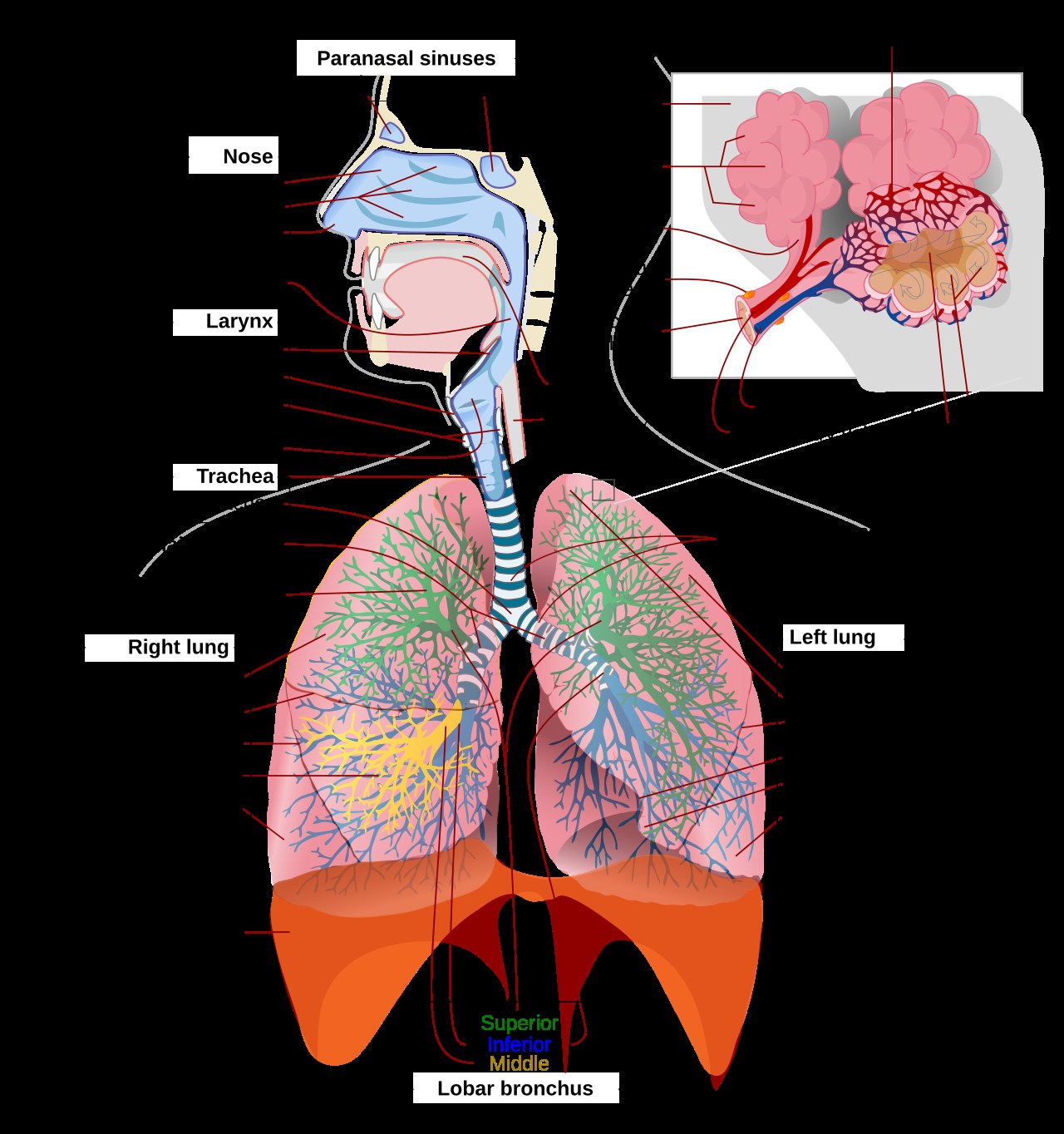
| Respiratory | Diaphragm in pranayama; rib cage mobility; no forced breath |
| Nervous | Parasympathetic activation in Shavasana/Yoga Nidra (teaching context) |
| Cardiovascular | Inversions/Bhastrika caution in hypertension — refer to doctor |
Alignment principle (Gore/MDNIY): EN — Stack joints; avoid compression at lumbar/cervical in extremes. HI — joint stack; lumbar/cervical compression से बचें।
Common teaching checks: EN — Knee over ankle in lunges; neck neutral in Sarvangasana prep; modify for pregnancy. HI — घुटना टखने पर; गर्दन neutral; गर्भ में modify।
Labh / Application — लाभ एवं अभ्यास में उपयोग
English
- Injury prevention — evidence-informed modification language.
- YCB practicum — explain why contraindications exist on A-topic pages.
- Student referral — know when to stop practice and seek medical advice.
हिंदी
- चोट prevention — संशोधन भाषा।
- YCB practicum — A-विषय contraindications का कारण।
- रेफरल — चिकित्सक कब।
Savdhani / Study Cautions — सावधानी
| Issue | English | हिंदी |
|---|---|---|
| Teaching beyond scope | Yoga teachers are not physiotherapists/doctors | चिकित्सक नहीं |
| One-size alignment | Individual variation in bone structure | व्यक्तिगत अंतर |
| Ignoring pain | Sharp pain = stop; dull stretch ≠ injury always — assess | तीखा दर्द = रुकें |
| Anatomy without practice | Pair with supervised asana labs | प्रयोगशाला जरूरी |
YCB Exam Quick Points
| Gore text use | APYP reference for DYeD/DYTT |
| Spine in asana | Flexion/extension/neutral |
| Pranayama | Diaphragmatic breathing base |
| YCB safety | Contraindications in practicum |
Saankshep / Chapter Summary — संक्षेप
English
- Spine: flexion, extension, neutral — when to avoid
- Knee: no torque in lotus without hip mobility
- Blood pressure affects inversion/pranayama choice
हिंदी
- रीढ़: flexion/extension सावधानी
- घुटना: कम hip mobility में पद्मासन नहीं
- BP और उलटा आसन
References
- Gore — Anatomy and Physiology of Yogic Practices
- MDNIY Yogasana Monograph
- MDNIY Pranayama Monograph
- YCB YPI Syllabus — Safety module
Last updated: June 2026 | MPYPCP Central Knowledge Base — Tier B5