
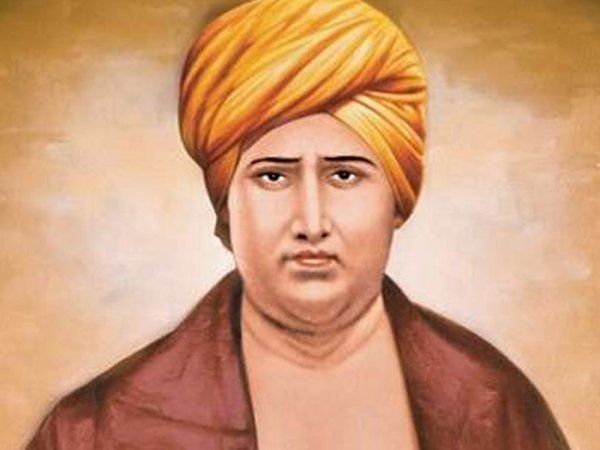
Maharshi Dayanand Saraswati
Maharshi Dayanand Saraswati was a fearless reformer and Vedic revivalist who sought to restore clarity, reason, and moral strength in society. Through the Arya Samaj movement, he challenged superstition, encouraged education, and called for a return to foundational Vedic principles. His work united spiritual inquiry with social responsibility.
Maharshi Dayanand Saraswati viewed yoga as an integral discipline for physical health, mental refinement, and spiritual upliftment. He emphasized truthfulness, self-study, and character formation as the basis of national and personal regeneration. At MPYPCP, his ideal inspires learners to combine yogic practice with ethical courage and service-oriented leadership.
Maharshi Dayanand Saraswati (Mool Shankar, 1824–1883) founded the Arya Samaj (1875) and led a documented Vedic revival movement grounded in swadhyaya, rational inquiry, and social reform. His magnum opus Satyarth Prakash (1875) and Vedic commentaries, including Rigvedadi Bhashya Bhumika, argue for returning to Veda as pramana, rejecting idolatry and social abuses while affirming yoga, brahmacharya, and ethical discipline as Vedic practices. Maharshi Dayanand Saraswati's Sanskar Vidhi and yoga teachings in Arya Samaj manuals present asana and pranayama for health and spiritual refinement, linking bodily culture to national regeneration. Colonial-era newspapers, samaj records, and biographies by Lala Lajpat Rai and others provide historical attestation. He stands in MPYPCP's lineage as the modern reformer who reconnected yoga pedagogy with Vedic literacy, truth-speaking, and service (seva), distinct from medieval Nath texts yet firmly anchored in 19th-century Indian history.
Life & Legacy
Maharshi Dayanand Saraswati's life mission centered on renewing Vedic insight in a changing colonial-era society. He combined scriptural engagement with direct social intervention for reform.
Maharshi Dayanand Saraswati insisted on returning to foundational sources and questioning blind traditions. This critical spirit remains vital for preserving authenticity in modern yoga culture.
Core Teachings
He taught that true spirituality must align with truth, reason, and righteous conduct. Yoga, in this framework, supports disciplined living rather than escapism.
He advocated equal dignity, educational upliftment, and reform-oriented spirituality. Such principles help align yogic training with broader human development goals.
Contribution to Yoga
Maharshi Dayanand Saraswati (1824–1883), founder of Arya Samaj, spearheaded a Vedic renaissance that reclaimed yoga, pranayama, and ethical living from superstition. His magnum opus Satyarth Prakash (Light of Truth) and yoga chapters defend rational, scripture-based practice, influencing modern Hindu reform and Indian physical culture.
Maharshi Dayanand Saraswati advocated daily sandhya, pranayama, and health regimens drawn from Vedic ideals, prefiguring national fitness movements and contemporary AYUSH promotion of yoga in schools and public health. He opposed idolatrous exploitation while affirming meditation on Om and self-discipline as true yoga.
The Arya Samaj network spread yoga–Vedic education across India and diaspora communities. On International Yoga Day, reformist roots are often traced to 19th-century revivalists like Maharshi Dayanand Saraswati, connecting MPYPCP's ideals to accessible, nationally conscious yoga that complements YCB standards and UNESCO heritage narratives.
Popular Yoga Contributions
- Founder of Arya Samaj, Vedic revival and yoga reform
- Satyarth Prakash, rational defence of Vedic yoga
- Promotion of sandhya, pranayama, and ethical discipline
- Influence on Indian physical culture and school yoga
- Precursor to modern AYUSH public-health yoga campaigns
- Link between reform movement and International Yoga Day narrative
Relevance at MPYPCP
At MPYPCP, Maharshi Dayanand Saraswati's ideal supports value-driven education where yoga is linked with social awareness and responsible citizenship. Students are encouraged to serve with integrity.
MPYPCP incorporates this vision through emphasis on character, clarity, and public-minded service. The objective is to develop yoga educators who uplift both individuals and society.
Authentic Sources & References
- Satyarth Prakash (1875), reformist exposition of Vedic ethics, education, and spiritual practice
- Rigvedadi Bhashya Bhumika and Vedic commentaries, scriptural basis for Arya Samaj doctrine
- Arya Samaj Sanskar Vidhi and yoga manuals, householder yoga and ritual reform
- Colonial-era documents and Lala Lajpat Rai's biography, historical attestation of life and movement
- Swami Maharshi Dayanand Saraswati's social writings, education, women's rights, and critique of superstition
Key Highlights
- Revivalist of Vedic wisdom in modern India
- Founder of Arya Samaj and reform-oriented spirituality
- Promoted truth, reason, and ethical discipline
- Linked yoga with social responsibility and education
- Inspiration for value-based institutional leadership
महर्षि दयानंद सरस्वती
महर्षि दयानंद सरस्वती निर्भीक समाजसुधारक और वैदिक पुनर्जागरण के महान अग्रदूत थे, जिन्होंने समाज में विवेक, नैतिकता और सत्यबोध को पुनः प्रतिष्ठित करने का प्रयास किया। आर्य समाज के माध्यम से उन्होंने अंधविश्वास का विरोध किया, शिक्षा का प्रसार किया और वैदिक मूल्यों की ओर लौटने का आह्वान किया। उनका कार्य आध्यात्मिक खोज और सामाजिक उत्तरदायित्व का प्रभावी समन्वय है।
महर्षि दयानंद सरस्वती ने योग को शारीरिक स्वास्थ्य, मानसिक परिष्कार और आध्यात्मिक उन्नति का समग्र अनुशासन माना। उन्होंने सत्य, स्वाध्याय और चरित्रनिर्माण को व्यक्ति तथा राष्ट्र दोनों के उत्थान का आधार बताया। एमपीवाईपीसीपी में उनका आदर्श विद्यार्थियों को योगाभ्यास के साथ नैतिक साहस और सेवा-प्रधान नेतृत्व विकसित करने की प्रेरणा देता है।
महर्षि दयानंद सरस्वती (मूलशंकर, १८२४–१८८३) ने आर्यसमाज (१८७५) की स्थापना की और स्वाध्याय, तर्क और समाजसुधार पर आधारित वैदिक पुनरुत्थान का नेतृत्व किया, यह ऐतिहासिक रूप से अभिलेखित है। सत्यार्थ प्रकाश (१८७५) और ऋग्वेदादिभाष्यभूमिका आदि में वेद को प्रमाण मानकर अंधविश्वास का खण्डन और योग, ब्रह्मचर्य, नैतिक अनुशासन को वैदिक साधना बताया गया है। आर्यसमाज संस्कार-पुस्तकों में आसन-प्राणायाम स्वास्थ्य और आध्यात्मिक परिष्कार हेतु हैं। उपनिवेश-कालीन समाचार-पत्र, समाज अभिलेख और लाजपत राय आदि की जीवनियाँ ऐतिहासिक प्रमाण देती हैं। एमपीवाईपीसीपी परम्परा में वे उन्नीसवीं शती के सुधारक हैं, जिन्होंने योगशिक्षा को वैदिक पठन, सत्य और सेवा से पुनः जोड़ा।
जीवन और विरासत
महर्षि दयानंद सरस्वती का जीवनमिशन परिवर्तित सामाजिक संदर्भ में वैदिक दृष्टि का पुनर्स्थापन था। उन्होंने शास्त्रीय अध्ययन को प्रत्यक्ष समाजसुधारक प्रयासों के साथ जोड़ा।
महर्षि दयानंद सरस्वती ने मूल स्रोतों की ओर लौटने और अंधानुकरण का परीक्षण करने का आग्रह किया। आधुनिक योगसंस्कृति की प्रामाणिकता बनाए रखने के लिए यह विवेकपूर्ण दृष्टि अत्यंत आवश्यक है।
मूल शिक्षाएँ
उन्होंने सिखाया कि सच्ची आध्यात्मिकता सत्य, तर्क और धर्ममय आचरण के साथ चलती है। इस दृष्टि में योग पलायन नहीं, बल्कि अनुशासित और जागरूक जीवन का आधार है।
उन्होंने समान गरिमा, शिक्षा-विस्तार और सुधारोन्मुख आध्यात्मिकता का समर्थन किया। ये सिद्धांत योगशिक्षा को व्यापक मानवविकास के लक्ष्यों से जोड़ते हैं।
योग में योगदान
महर्षि दयानंद सरस्वती (1824–1883), आर्य समाज के संस्थापक, ने वैदिक पुनर्जागरण का नेतृत्व किया जिसने योग, प्राणायाम और नैतिक जीवन को अंधविश्वास से अलग किया। सत्यार्थ प्रकाश और योग-अध्याय तर्कसंगत, शास्त्र-आधारित अभ्यास का प्रतिवाद करते हैं, आधुनिक हिंदू सुधार और भारतीय शारीरिक संस्कृति को प्रभावित।
महर्षि दयानंद सरस्वती ने दैनिक संध्या, प्राणायाम और वैदिक आदर्शों पर आधारित स्वास्थ्य नियमों की वकालत की, राष्ट्रीय फिटनेस आंदोलनों और विद्यालयों–सार्वजनिक स्वास्थ्य में AYUSH के योग प्रचार का पूर्वाभास दिया। उन्होंने ओम् पर ध्यान और आत्म-अनुशासन को सच्चा योग मानकर शोषण का विरोध किया।
आर्य समाज जाल ने भारत और प्रवास में योग–वैदिक शिक्षा फैलाई। अंतर्राष्ट्रीय योग दिवस पर सुधारवादी मूल अक्सर 19वी सदी के पुनरुत्थानकर्ताओं जैसे महर्षि दयानंद सरस्वती तक पहुँचाए जाते हैं, MPYPCP के आदर्शों को YCB मानकों और UNESCO विरासत कथाओं के साथ सुलभ, राष्ट्र-सचेत योग से जोड़ता है।
लोकप्रिय योग योगदान
- आर्य समाज के संस्थापक, वैदिक पुनरुत्थान और योग सुधार
- सत्यार्थ प्रकाश, वैदिक योग का तर्कसंगत प्रतिवाद
- संध्या, प्राणायाम और नैतिक अनुशासन का प्रचार
- भारतीय शारीरिक संस्कृति और विद्यालयी योग पर प्रभाव
- आधुनिक AYUSH सार्वजनिक-स्वास्थ्य योग अभियानों का पूर्वधारा
- सुधार आंदोलन और अंतर्राष्ट्रीय योग दिवस कथा का संबंध
MPYPCP में प्रासंगिकता
एमपीवाईपीसीपी में महर्षि दयानंद सरस्वती का आदर्श मूल्याधारित शिक्षा को बल देता है जहाँ योग सामाजिक संवेदनशीलता और उत्तरदायी नागरिकता से जुड़ता है। विद्यार्थियों को सत्यनिष्ठ सेवा के लिए प्रेरित किया जाता है।
एमपीवाईपीसीपी इस दृष्टि को चरित्रनिर्माण, स्पष्ट चिंतन और लोकहितकारी सेवा के माध्यम से आगे बढ़ाता है। उद्देश्य ऐसे योगशिक्षकों का निर्माण है जो व्यक्ति और समाज दोनों का उत्थान करें।
प्रामाणिक स्रोत और संदर्भ
- सत्यार्थ प्रकाश (१८७५), वैदिक नैतिकता, शिक्षा और साधना का सुधारोन्मुख निरूपण
- ऋग्वेदादिभाष्यभूमिका और वैदिक भाष्य, आर्यसमाज दर्शन का शास्त्रीय आधार
- आर्यसमाज संस्कार विधि और योग-नियम, गृहस्थ योग और संस्कार-सुधार
- उपनिवेश-कालीन अभिलेख और लाजपत राय जीवनी, जीवन और आंदोलन का ऐतिहासिक प्रमाण
- महर्षि दयानंद सरस्वती के सामाजिक लेख, शिक्षा, नारी अधिकार, अंधविश्वास-खण्डन
मुख्य बिंदु
- आधुनिक भारत में वैदिक ज्ञान के पुनर्जागरणकर्ता
- आर्य समाज के संस्थापक और सुधारोन्मुख आध्यात्मिक नेतृत्व
- सत्य, तर्क और नैतिक अनुशासन के प्रबल समर्थक
- योग को शिक्षा और सामाजिक उत्तरदायित्व से जोड़ा
- मूल्याधारित संस्थागत नेतृत्व के प्रेरणास्रोत