
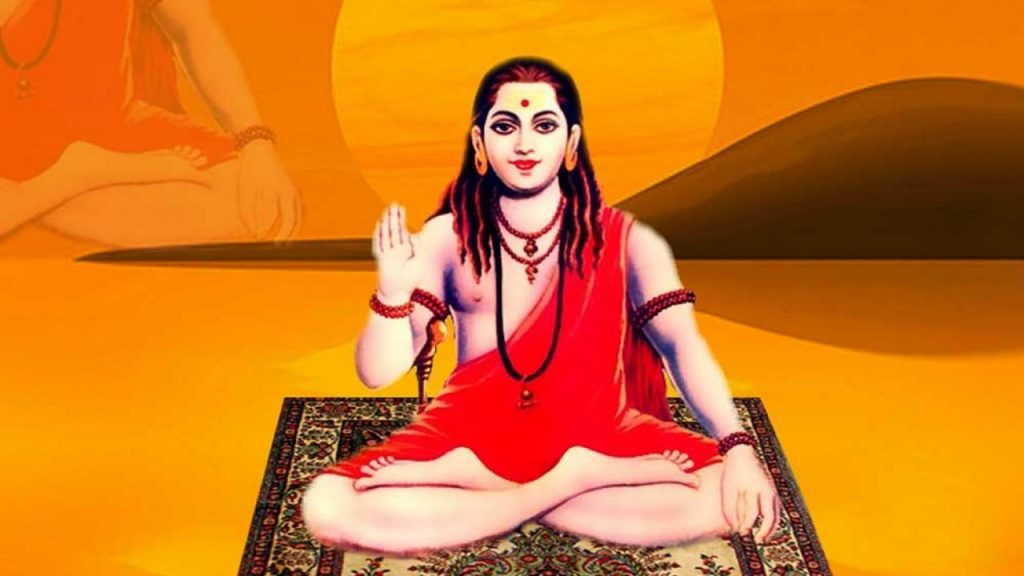
Maharaj Gorakshanath
Maharaj Gorakshanath is one of the most influential yogic masters in Indian spiritual history, renowned for giving practical structure to Nath Hatha Yoga. As a towering disciple-successor in the Maharshi Matsyendranath lineage, he transformed subtle teachings into disciplined methods that could be practiced systematically. His impact is visible in yoga, ascetic culture, and vernacular spiritual literature.
Maharaj Gorakshanath teachings stress inner awakening through purification, pranayama, mudra, and unwavering self-discipline. He made advanced yogic principles accessible while preserving rigor and lineage integrity. At MPYPCP, his ideal inspires students to combine technical excellence with ethical steadiness and inner humility.
Maharaj Gorakshanath (Maharaj Gorakshanath) is the pre-eminent siddha of the Nath panth, credited with systematizing Hatha Yoga, kundalini sadhana, and lay yogic culture across North India, Nepal, and beyond. The Goraksha Shataka, Siddha Siddhanta Paddhati, and Goraksha Samhita, among texts attributed to him or his school, prescribe asana, shatkarma, pranayama, mudra, and meditation as integrated discipline. Medieval inscriptions at Gorakhpur and Gwalior reference Nath mathas; vernacular poetry (e.g., Nath charitavali) spread his teachings among householders and ascetics alike. Goraksha's maxim that the body is the primary instrument of realization influenced Swami Swatmarama's Hatha Yoga Pradipika and countless regional traditions. Historically, he represents the democratization of advanced yoga through guru-parampara, making him central to any account of Hatha Yoga's practical lineage.
Life & Legacy
Maharaj Gorakshanath life and teachings represent the maturation of Nath Yoga into a robust practical system. He carried forward lineage wisdom with exceptional organizational and pedagogical clarity.
Maharaj Gorakshanath also foregrounded self-mastery, restraint, and steadfast practice over ritual display. This orientation keeps yoga rooted in transformation rather than external identity.
Core Teachings
He emphasized body as an instrument of realization when purified through discipline. Practices of breath control, mudra, and internal concentration were central in his method.
His teachings on inner energy channels and subtle awakening influenced many schools beyond the Nath fold. The practical grammar of modern yogic discipline owes much to his legacy.
Contribution to Yoga
Maharaj Gorakshanath (Maharaj Gorakshanath) is the most celebrated saint of the Nath Sampradaya, disciple of Maharshi Matsyendranath and preceptor of countless yogis across South Asia. Goraksha Shataka, Goraksha Paddhati, and related corpus codify Hatha practices, asana, pranayama, mudra, and nada, in vernacular-friendly forms predating Swami Swatmarama's Hatha Yoga Pradipika.
He unified yoga with social accessibility: Kanphata yogis (split-ear initiates) spread teachings among common people, not only brahmins. The Gorakhnath Math (Gorakhpur) and networks from Punjab to Bengal remain major pilgrimage and seva hubs, intersecting with modern Hindu reform and yoga outreach.
Maharaj Gorakshanath's emphasis on inner sound (nada), breath locks, and immortal body (kayasadhana) influenced Tibetan Neljorpa accounts and global Kundalini discourse. AYUSH exhibitions on Hatha heritage and Nath iconography on International Yoga Day routinely feature Maharaj Gorakshanath as the bridge between folk asceticism and accredited teacher training.
Popular Yoga Contributions
- Supreme saint of Nath Sampradaya, Hatha Yoga lineage
- Goraksha Shataka & Goraksha Paddhati, classic Hatha manuals
- Kanphata (split-ear) yogi tradition across South Asia
- Gorakhnath Math, Gorakhpur, major pilgrimage center
- Nada, mudra, kundalini, and kayasadhana teachings
- Featured in Hatha heritage displays and International Yoga Day
Relevance at MPYPCP
At MPYPCP, his model supports rigorous practice protocols, safety awareness, and progressive training. Students are encouraged to develop resilience with discernment.
MPYPCP integrates this spirit by balancing tradition, practicality, and learner safety. The focus remains on sustainable growth of body, breath, and awareness.
Authentic Sources & References
- Goraksha Shataka, foundational verses on Hatha, breath, and inner absorption
- Siddha Siddhanta Paddhati and Goraksha Samhita, Nath metaphysics and yogic methodology
- Hatha Yoga Pradipika tradition, Goraksha named as lineage source for Swami Swatmarama
- Nath charitavali and vernacular hagiography, spread among ascetics and householders
- Maharaj Gorakshanath mathas, inscriptions, and regional cult, historical institutional footprint
Key Highlights
- Major systematizer of Nath Hatha Yoga
- Master teacher of Kundalini and Pranayama disciplines
- Emphasized self-mastery and sustained practice
- Influenced broad streams of practical yoga
- Made advanced methods accessible with rigor
महाराज गोरक्षनाथ
महाराज गोरक्षनाथ भारतीय आध्यात्मिक इतिहास के अत्यंत प्रभावशाली योगाचार्य हैं, जिन्होंने नाथ हठयोग को व्यावहारिक और सुव्यवस्थित स्वरूप दिया। महर्षि मत्स्येन्द्रनाथ परंपरा के प्रखर उत्तराधिकारी रूप में उन्होंने सूक्ष्म शिक्षाओं को ऐसी विधियों में रूपांतरित किया जिन्हें साधक क्रमबद्ध रूप से अपना सके। योग, तपस्वी परंपरा और लोकभाषा आध्यात्मिक साहित्य पर उनका गहरा प्रभाव स्पष्ट दिखाई देता है।
महाराज गोरक्षनाथ की शिक्षाएँ शोधन, प्राणायाम, मुद्रा और कठोर आत्मअनुशासन के माध्यम से आंतरिक जागरण पर बल देती हैं। उन्होंने उन्नत योगतत्त्वों को जनसुलभ बनाया, साथ ही परंपरागत गंभीरता और अनुशासन को सुरक्षित रखा। एमपीवाईपीसीपी में उनका आदर्श विद्यार्थियों को तकनीकी निपुणता, नैतिक स्थिरता और विनम्रता के समन्वय की प्रेरणा देता है।
महाराज गोरक्षनाथ (गोरखनाथ) नाथ पंथ के प्रमुख सिद्ध हैं, जिन्हें उत्तर भारत, नेपाल आदि में हठयोग, कुण्डलिनी साधना और लौकिक योग-संस्कृति के व्यवस्थितकर्ता का श्रेय मिलता है। गोरक्ष शतक, सिद्धसिद्धान्तपद्धति और गोरक्षसंहिता, उनकी या उनकी शैली के ग्रंथ, आसन, षट्कर्म, प्राणायाम, मुद्रा और ध्यान को एकीकृत अनुशासन मानते हैं। गोरखपुर और ग्वालियर के मध्यकालीन अभिलेख नाथ मठों का संकेत देते हैं; नाथ चरितावली जैसा लोक साहित्य ने शिक्षा का प्रसार किया। शरीर को साधना के मुख्य साधन मानने की उनकी दृष्टि ने हठयोगप्रदीपिका और क्षेत्रीय परंपराओं को आकार दिया। ऐतिहासिक दृष्टि से वे गुरु-परम्परा द्वारा उन्नत योग के जनसुलभीकरण के प्रतीक हैं।
जीवन और विरासत
महाराज गोरक्षनाथ का जीवन और शिक्षाएँ नाथ योग के परिपक्व व्यावहारिक स्वरूप का प्रतिनिधित्व करती हैं। उन्होंने परंपरागत ज्ञान को शिक्षण की स्पष्टता और अनुशासन के साथ आगे बढ़ाया।
महाराज गोरक्षनाथ ने बाह्य प्रदर्शन की अपेक्षा आत्मसंयम, मर्यादा और निरंतर अभ्यास को अधिक महत्व दिया। यह दृष्टि योग को बाहरी पहचान से हटाकर वास्तविक रूपांतरण पर केंद्रित रखती है।
मूल शिक्षाएँ
उन्होंने बताया कि अनुशासित शोधन द्वारा शरीर आत्मानुभूति का समर्थ साधन बन सकता है। उनकी पद्धति में प्राणसंयम, मुद्रा और आंतरिक एकाग्रता को केंद्रीय स्थान प्राप्त है।
सूक्ष्म ऊर्जा और आंतरिक जागरण संबंधी उनकी शिक्षाओं ने नाथ परंपरा से बाहर भी अनेक विद्यालयों को प्रभावित किया। आधुनिक योग-अनुशासन की व्यावहारिक संरचना पर उनकी छाप स्पष्ट है।
योग में योगदान
महाराज गोरक्षनाथ (गोरखनाथ) नाथ संप्रदाय के सर्वाधिक प्रतिष्ठित संत, महर्षि मत्स्येन्द्रनाथ के शिष्य और दक्षिण एशिया में असंख्य योगियों के गुरु हैं। गोरक्ष शतक, गोरक्ष पद्धति आदि संग्रह हठ अभ्यास, आसन, प्राणायाम, मुद्रा, नाद, को स्वामी स्वात्माराम की हठ योग प्रदीपिका से पूर्व लोकभाषा में संहित करते हैं।
उन्होंने योग को सामाजिक सुलभता से जोड़ा: कानफटा योगी आम जनता में शिक्षा फैलाते, केवल ब्राह्मणों में नहीं। महाराज गोरक्षनाथ मठ (गोरखपुर) और पंजाब से बंगाल तक का जाल प्रमुख तीर्थ और सेवा केंद्र हैं, आधुनिक हिंदू सुधार और योग प्रसार से जुड़े।
महाराज गोरक्षनाथ का आंतरिक नाद, प्राण बंध और काया-साधना पर बल तिब्बती नेलजोरपा वृत्तांतों और वैश्विक कुण्डलिनी चर्चा को प्रभावित किया। AYUSH की हठ विरासत प्रदर्शनियाँ और अंतर्राष्ट्रीय योग दिवस पर नाथ प्रतीक में महाराज गोरक्षनाथ लोक संन्यास और प्रमाणित प्रशिक्षण के बीच सेतु हैं।
लोकप्रिय योग योगदान
- नाथ संप्रदाय के परम संत, हठयोग वंश
- गोरक्ष शतक और गोरक्ष पद्धति, शास्त्रीय हठ नियमावली
- कानफटा योगी परंपरा, दक्षिण एशिया में प्रसार
- महाराज गोरक्षनाथ मठ, गोरखपुर, प्रमुख तीर्थ केंद्र
- नाद, मुद्रा, कुण्डलिनी और काया-साधना शिक्षा
- हठ विरासत और अंतर्राष्ट्रीय योग दिवस में प्रमुख उल्लेख
MPYPCP में प्रासंगिकता
एमपीवाईपीसीपी में उनका आदर्श कठोर अभ्यास-प्रणाली, सुरक्षा-जागरूकता और क्रमिक प्रशिक्षण को दिशा देता है। विद्यार्थियों को विवेकपूर्ण दृढ़ता विकसित करने का मार्ग मिलता है।
एमपीवाईपीसीपी इस प्रेरणा से परंपरा, व्यवहारिकता और साधक-सुरक्षा का संतुलन विकसित करता है। लक्ष्य शरीर, श्वास और चेतना का टिकाऊ परिष्कार है।
प्रामाणिक स्रोत और संदर्भ
- गोरक्ष शतक, हठ, श्वास और समाधि पर मूल श्लोक
- सिद्धसिद्धान्तपद्धति और गोरक्षसंहिता, नाथ दर्शन और योग-विधि
- हठयोगप्रदीपिका परंपरा, स्वामी स्वात्माराम द्वारा गोरक्ष-परम्परा का उल्लेख
- नाथ चरितावली और लोक गाथा, संन्यासी और गृहस्थ में प्रसार
- महाराज गोरक्षनाथ मठ, अभिलेख और क्षेत्रीय पूजा, ऐतिहासिक संस्थागत छाप
मुख्य बिंदु
- नाथ हठयोग के प्रमुख व्यवस्थितकर्ता
- कुण्डलिनी और प्राणायाम साधना के महागुरु
- आत्मसंयम और निरंतर अभ्यास पर विशेष बल
- व्यावहारिक योग की अनेक धाराओं पर व्यापक प्रभाव
- उन्नत विधियों को अनुशासन सहित जनसुलभ बनाया