
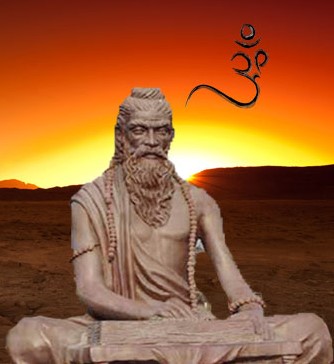
Maharshi Patanjali
Maharshi Patanjali occupies a central place in yoga history as the codifier of Yoga Sutras, a concise and profound manual of inner transformation. His definition of yoga as the stilling of mental fluctuations gave the tradition a clear psychological and spiritual framework. Through precise aphorisms, he made yogic discipline teachable, testable, and transmissible.
Maharshi Patanjali integrated ethics, body, breath, sense-withdrawal, concentration, meditation, and samadhi into one coherent path. This Ashtanga model continues to guide both traditional practitioners and modern yoga institutions worldwide. At MPYPCP, his legacy supports structured pedagogy rooted in authenticity and experiential depth.
Maharshi Patanjali's Yoga Sutras (Yogasutra), traditionally dated to the early centuries CE, remain the single most authoritative codification of classical yoga. The text opens with the definition yogaś citta-vṛtti-nirodhaḥ (YS 1.2), outlines the Eight Limbs (aṣṭāṅga) from yama through samadhi (YS 2.29–3.8), and analyzes obstacles, companions, and powers with psychological precision. Medieval commentators, Vyasa's Yogasutrabhashya foremost among them, anchor the sutras in Samkhya metaphysics while preserving practice-oriented reading. The tradition also links Maharshi Patanjali with Mahabhashya authorship on Paninian grammar, though modern philology treats yoga and grammar Patanjalis as possibly distinct. Regardless, the Sutras became the backbone of Raja Yoga curricula from Kashmir Shaivism to modern teacher-training standards, making Maharshi Patanjali indispensable for any historically grounded yoga program.
Life & Legacy
Maharshi Patanjali contribution transformed diverse yogic streams into a disciplined classical system. Yoga Sutras gave concise principles that remain relevant across changing times and contexts.
Maharshi Patanjali also highlighted obstacles, fluctuations, and practical remedies, showing deep understanding of human psychology. This makes his work highly applicable to contemporary wellness and education settings.
Core Teachings
He emphasized ethical foundations and mental training as inseparable. Without yama-niyama and inner discipline, advanced techniques lose transformative potential.
His approach balances effort and surrender, discipline and grace. Through abhyasa and vairagya, he offered a realistic path for long-term spiritual growth.
Contribution to Yoga
Maharshi Patanjali authored the Yoga Sutras (Yoga Darshana), the most authoritative codification of Ashtanga Yoga, yama, niyama, asana, pranayama, pratyahara, dharana, dhyana, and samadhi. Composed around the classical period (circa 2nd century BCE to 4th century CE), this text defines "yoga" as chitta-vritti-nirodha and remains the backbone of virtually every serious teacher-training syllabus.
Maharshi Patanjali integrated Sankhya metaphysics with practical methods: Ishvara-pranidhana, obstacles (antarayas), and their remedies (vitarka-badhane pratipaksha-bhavanam) give yoga a complete psychology. His work on grammar (Mahabhashya) and Ayurveda (tradition) reflects the classical ideal of a rounded yogic sciences education, mirrored today in AYUSH multidisciplinary programmes.
Globally, the Yoga Sutras are translated into dozens of languages; Iyengar, Ashtanga Vinyasa, and Raja Yoga schools all claim Maharshi Patanjali as forefather. UNESCO yoga heritage listings and International Yoga Day routinely cite sutra 2.46 (sthira-sukham asanam), making Maharshi Patanjali the most recognized name in world yoga.
Popular Yoga Contributions
- Yoga Sutras, defining text of Ashtanga (Raja) Yoga
- Eight limbs: yama through samadhi
- Sutra 1.2, yoga as cessation of mental fluctuations
- Sutra 2.46, sthira-sukham asanam (steady, comfortable posture)
- Foundation of YCB, Iyengar, and global teacher certification
- Icon of International Yoga Day and UNESCO yoga heritage discourse
Relevance at MPYPCP
At MPYPCP, Maharshi Patanjali ideals shape curriculum sequencing, assessment, and teacher conduct. Students are trained to value precision, consistency, and reflective practice.
MPYPCP draws from this clarity to nurture teachers who can guide safely, ethically, and intelligently. His model supports both scientific orientation and spiritual integrity.
Authentic Sources & References
- Yoga Sutras of Patanjali, definition of yoga, ashtanga, dhyana, samadhi, and kaivalya
- Vyasa's Yogasutrabhashya, primary classical commentary integrating Samkhya
- Yoga Bhashya and later subcommentaries, historical development of Raja Yoga pedagogy
- Comparative studies with Buddhist Abhidharma, shared analysis of mental states (historical context)
- Modern critical editions (e.g., Woods, Bryant), philological basis for academic yoga studies
Key Highlights
- Compiler of the foundational Yoga Sutras
- Defined yoga as stilling of mental fluctuations
- Systematized Ashtanga Yoga for structured practice
- Integrated ethics, psychology, and meditation
- Enduring guide for authentic yoga education
महर्षि पतंजलि
महर्षि पतंजलि योगइतिहास के केंद्रीय आचार्य हैं, जिन्होंने योगसूत्रों के माध्यम से आंतरिक रूपांतरण का संक्षिप्त किंतु अत्यंत गहन मार्ग प्रस्तुत किया। चित्तवृत्ति निरोध को योग की परिभाषा देकर उन्होंने साधना को स्पष्ट मनोवैज्ञानिक और आध्यात्मिक आधार दिया। उनके सूत्रों ने योग को व्यवस्थित, शिक्षणयोग्य और पीढ़ी-दर-पीढ़ी प्रसारित होने योग्य बनाया।
महर्षि पतंजलि ने यम-नियम से लेकर समाधि तक योग के सभी अंगों को एक सुसंगत पद्धति में संयोजित किया। उनका अष्टांग मार्ग आज भी पारंपरिक साधकों और आधुनिक योगसंस्थानों के लिए मानक दिशा है। एमपीवाईपीसीपी में उनकी विरासत अनुशासित शिक्षण, प्रामाणिक अभ्यास और अनुभवात्मक गहराई को सुदृढ़ करती है।
महर्षि पतंजलि के योगसूत्र (प्रारंभिक शताब्दियाँ ई.) शास्त्रीय योग का सर्वाधिक प्रामाणिक संहिता रहे। ग्रंथ की आरंभिक परिभाषा योगश्चित्तवृत्तिनिरोधः (१.२) है; यम से समाधि तक अष्टांग (२.२९–३.८), बाधाएँ और सिद्धियाँ मनोवैज्ञानिक सूक्ष्मता से वर्णित हैं। व्यास की योगसूत्रभाष्य आदि मध्यकालीन टीकाएँ सूत्रों को सांख्य दर्शन से जोड़ती हैं। परंपरा महर्षि पतंजलि को महाभाष्यकार भी मानती है, यद्यपि आधुनिक भाषाविज्ञान योग और व्याकरण के महर्षि पतंजलि को भिन्न मान सकता है। तथापि सूत्र राजयोग के पाठ्यक्रम की रीढ़ बने और आधुनिक शिक्षक-प्रशिक्षण मानकों तक पहुँचे, अतः ऐतिहासिक रूप से सुदृढ़ योग कार्यक्रम में महर्षि पतंजलि अपरिहार्य हैं।
जीवन और विरासत
महर्षि पतंजलि ने विविध योगधाराओं को एक अनुशासित शास्त्रीय पद्धति में रूपांतरित किया। योगसूत्रों ने ऐसे संक्षिप्त सिद्धांत दिए जो काल और परिस्थिति बदलने पर भी सार्थक बने रहते हैं।
महर्षि पतंजलि ने चित्तविक्षेप, बाधाएँ और उनके उपाय भी बताए, जो मानवीय मनोविज्ञान की गहरी समझ दर्शाते हैं। इसलिए उनकी शिक्षाएँ आज के स्वास्थ्य और शिक्षा संदर्भों में भी अत्यंत उपयोगी हैं।
मूल शिक्षाएँ
उन्होंने नैतिक आधार और चित्त-अनुशासन को अविभाज्य माना। यम-नियम और आंतरिक संयम के बिना उन्नत तकनीकें रूपांतरणकारी प्रभाव नहीं दे पातीं।
उनकी पद्धति पुरुषार्थ और वैराग्य, अनुशासन और समर्पण के संतुलन पर आधारित है। अभ्यास और वैराग्य के माध्यम से उन्होंने दीर्घकालिक उन्नति का यथार्थ मार्ग दिखाया।
योग में योगदान
महर्षि पतंजलि ने योगसूत्र (योग दर्शन) रचे, अष्टांग योग: यम, नियम, आसन, प्राणायाम, प्रत्याहार, धारणा, ध्यान और समाधि की सर्वाधिक प्रामाणिक संहिता। शास्त्रीय काल (लगभग 2वी शताब्दी ई.पू.–4वी शताब्दी ई.) में रचित यह ग्रंथ "योग" को चित्त-वृत्ति-निरोध परिभाषित करता है और लगभग हर गंभीर शिक्षक-प्रशिक्षण पाठ्यक्रम की रीढ़ है।
महर्षि पतंजलि ने संख्य दर्शन को व्यावहारिक विधियों से जोड़ा: ईश्वर-प्रणिधान, अन्तराय और उनके उपाय (वितर्क-बाधने प्रतिपक्ष-भावनम्) योग को संपूर्ण मनोविज्ञान देते हैं। व्याकरण (महाभाष्य) और आयुर्वेद (परंपरा) पर उनका कार्य शास्त्रीय समग्र योग-विज्ञान शिक्षा का आदर्श है, आज AYUSH बहु-विषयक कार्यक्रमों में प्रतिबिंब।
विश्व स्तर पर योगसूत्र दर्जनों भाषाओं में अनुवादित; अयंगर, अष्टांग विन्यास और राजयोग स्कूल सभी महर्षि पतंजलि को पूर्वज मानते हैं। UNESCO योग विरासत और अंतर्राष्ट्रीय योग दिवस पर अक्सर सूत्र 2.46 (स्थिर-सुखम् आसनम्) उद्धृत, महर्षि पतंजलि विश्व योग का सर्वाधिक पहचाना नाम।
लोकप्रिय योग योगदान
- योगसूत्र, अष्टांग (राज) योग की परिभाषा-ग्रंथ
- अष्टांग: यम से समाधि तक
- सूत्र 1.2, योग चित्त-वृत्ति-निरोधः
- सूत्र 2.46, स्थिर-सुखम् आसनम्
- YCB, अयंगर और विश्व प्रमाणन की नींव
- अंतर्राष्ट्रीय योग दिवस और UNESCO योग विरासत का प्रतीक
MPYPCP में प्रासंगिकता
एमपीवाईपीसीपी में महर्षि पतंजलि का आदर्श पाठ्यक्रम विन्यास, मूल्यांकन और शिक्षक आचरण को दिशा देता है। विद्यार्थियों को शुद्धता, नियमितता और मननशील अभ्यास का प्रशिक्षण दिया जाता है।
एमपीवाईपीसीपी इसी दृष्टि से ऐसे शिक्षक तैयार करता है जो सुरक्षित, नैतिक और विवेकपूर्ण मार्गदर्शन दे सकें। यह मॉडल वैज्ञानिक दृष्टिकोण और आध्यात्मिक प्रामाणिकता दोनों को पोषित करता है।
प्रामाणिक स्रोत और संदर्भ
- महर्षि पतंजलि योगसूत्र, योग-परिभाषा, अष्टांग, ध्यान, समाधि, कैवल्य
- व्यास की योगसूत्रभाष्य, सांख्ययुक्त प्राथमिक टीका
- योगभाष्य और उपटीकाएँ, राजयोग शिक्षण-परंपरा का विकास
- बौद्ध अभिधर्म से तुलनात्मक अध्ययन, मनोवृत्ति-विश्लेषण का ऐतिहासिक संदर्भ
- आधुनिक संपादन, शैक्षणिक योग-अध्ययन का भाषावैज्ञानिक आधार
मुख्य बिंदु
- योगसूत्रों के महान संकलनकर्ता
- चित्तवृत्ति निरोध के रूप में योग की परिभाषा
- अष्टांग योग की सुव्यवस्थित स्थापना
- नैतिकता, मनोविज्ञान और ध्यान का समन्वय
- प्रामाणिक योगशिक्षा के स्थायी मार्गदर्शक